
A drafty attic rarely shouts for attention, yet what lurks above your ceiling can make or break a home’s safety and comfort. Myths about attic insulation have spread for decades, leaving homeowners vulnerable to hidden hazards and costly mistakes.
Common Misconceptions About Attic Insulation and Safety
Myth 1: Attic Insulation Does Not Affect Indoor Air Quality
Picture a hot summer day. Now imagine the attic, cramped and stifling, filled with old, dusty insulation. Many people believe that whatever happens up there has little bearing on the air they breathe downstairs. In reality, air continuously circulates through your attic and living spaces. Insulation riddled with mold, dust, or pest remnants directly harms indoor air quality and can trigger allergies or respiratory issues for everyone inside.
Myth 2: More Insulation Always Means Better Safety
Homeowners often assume that piling up layers of insulation guarantees a safer, more energy-efficient home. The truth is, too much insulation can trap moisture, causing rot and mold, or block critical air circulation. Safety depends on balance: enough insulation to prevent heat loss, but never so much that ventilation and structural health are sacrificed.
Myth 3: Attics Are Immune to Mold and Wildlife Contamination
Attics, perched above daily life, seem like unassailable fortresses. Yet, they are prime targets for invading wildlife, squirrels, raccoons, and bats, each leaving behind droppings, pathogens, and damage. Moisture leaks can go unnoticed for months, making the attic a hotspot for mold. Both threats can undermine insulation’s effectiveness and put your household’s health at risk.
Myth 4: DIY Insulation Is Just as Effective as Professional Installation
The temptation to save money with a do-it-yourself approach is universal. However, improper installation leads to gaps, uneven coverage, and reduced energy performance. Worse, mistakes can invite moisture problems or create fire hazards near electrical wiring. Professional assessment and installation safeguard against these risks and ensure your attic meets building codes.
Understanding the Risks Hidden in Your Attic
How Mold and Pathogens Thrive in Poorly Insulated Attics
A single unnoticed leak or patch of condensation is all it takes for mold to gain a foothold. Attic insulation, if compromised or outdated, traps moisture and allows mold spores to multiply. Not only does this erode the insulation itself, but it also creates a persistent source of airborne allergens, threatening vulnerable family members.
The Impact of Wildlife Intrusion on Attic Safety
No one wants to hear scurrying overhead at midnight. When wildlife finds its way into your attic, they do more than make noise. Animals can shred insulation, chew wiring (raising fire risks), and leave behind droppings laced with dangerous bacteria. These contaminants can circulate throughout the home, causing unpleasant odors and potential health hazards.
Consequences of Neglecting Attic Decontamination
Ignoring signs of contamination can escalate a minor inconvenience into a major health crisis. Long-term exposure to attic mold or animal waste is linked to respiratory illnesses, skin irritations, and aggravated allergies. Financially, untouched damage may lead to expensive restoration projects or even force you to temporarily vacate your home.
Proven Solutions to Attic Insulation and Safety Challenges
The Role of Professional Attic Decontamination Services
Trained professionals do more than just vacuum up debris. They identify hidden problem spots, remove contaminated insulation, sanitize the area, and block future wildlife entry points. Their expertise drastically lowers the chance of recurring issues and helps to restore a safe, healthy living environment.
Choosing the Right Insulation Material for Health and Safety
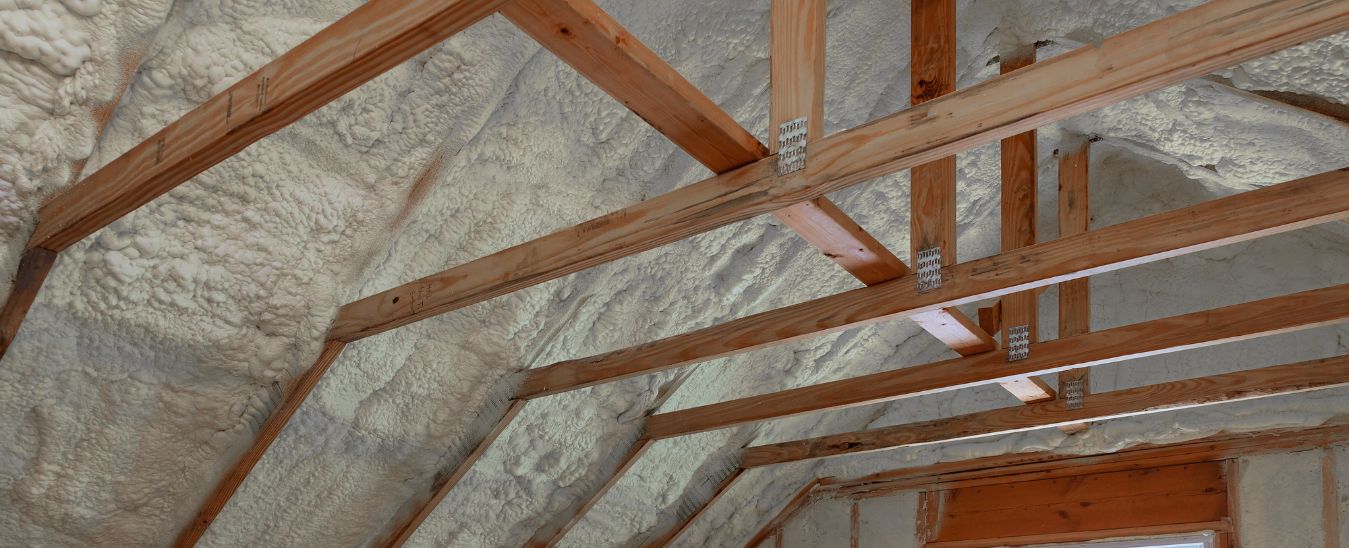
Not every insulation is created equal. Some materials resist mold and repel pests better than others. Cellulose, for instance, can be treated with borate to discourage insects and rodents. Fiberglass remains popular for its non-combustibility, but must be installed correctly to prevent gaps that allow moisture and pests through.
How Attic Restoration After Wildlife or Disaster Incidents Works
After a wildlife intrusion or water disaster, restoration goes far beyond patching holes. Professionals carefully extract contaminated insulation, repair structural damage, and install new, high-quality materials. Decontamination ensures that pathogens, allergens, and lingering odors are eliminated, restoring the attic to a safe and energy-efficient state.
Taking Action: Ensuring a Safe and Efficient Attic
Signs Your Attic Needs Inspection or Cleanup
– Unexplained musty odors in living spaces
– Visible mold growth or water stains
– Droppings, nests, or gnawed wood in the attic
– Escalating energy bills
If you notice any of these, it’s time for a professional inspection.
Steps to Safely Remove Contaminated Insulation
Removal of hazardous insulation is best left to experts. They use specialized equipment to prevent the spread of spores or dust, dispose of waste safely, and take steps to decontaminate surfaces before installing new insulation.
Maintaining Your Attic for Long-Term Safety and Energy Efficiency
Routine inspections each season help catch small problems early. Clear vents, check for leaks, and remember that insulation doesn’t last forever. Upgrading materials over time ensures continued protection against heat loss, moisture, and pests.
When and How to Consult Attic Insulation Experts in Montreal and Ottawa
For homeowners in Montreal, Ottawa, and surrounding areas, trusted professionals like those experienced in Insulation Services for attics can assess, decontaminate, and restore your attic quickly and safely. Their local knowledge and expertise in attic restoration after disasters or wildlife incidents mean you get solutions tailored to your home’s unique challenges.
A safe, well-insulated attic is more than just an energy saver, it’s central to your family’s health. Challenge the myths, recognize the risks, and take smart steps to protect what’s above your head.