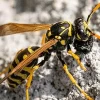


In Rockville’s leafy neighborhoods, where suburban homes blend with wooded lots, bee infestations can turn serene backyards into buzzing hazards.
Companies like Green Pest Services highlight the urgency of early action, but homeowners must first master the basics of detection and response.
Understanding Bee Behavior in Rockville Homes
Bees seek shelter in Rockville’s temperate climate, drawn to cozy spots as spring warms up. Honeybees and carpenter bees thrive here, nesting in walls, eaves, or trees due to abundant flowering plants. Early vigilance prevents small swarms from becoming large colonies that damage structures or pose sting risks to families.
Rockville’s proximity to parks amplifies attraction, with bees foraging on local blooms before settling nearby. Infestations peak from late spring through summer, when queens establish hives. Ignoring early signs invites escalation, costing thousands in repairs.
Key Signs of a Bee Infestation
Spotting trouble early requires keen observation around your Rockville property. Look for these common indicators before bees multiply unchecked.
- Increased buzzing near eaves, decks, or sheds, especially at dusk when bees return to nests.
- Visible nests resembling paper-like combs or small holes in wood, often under porches or in attics.
- Honey drips or sticky residue on walls, signaling internal hive growth that weakens structures.
- Frequent bee activity around windows, vents, or cracks, indicating entry points into walls or crawlspaces.
- Scattered dead bees indoors or heightened aggression near certain yard areas.
Safe Identification Steps
Approach potential nests cautiously to confirm bees without provoking stings. Start with non-invasive checks tailored to Rockville’s typical home layouts.
Follow these steps methodically:
- Observe from afar during daylight, noting bee size and flight patterns, honeybees are fuzzy, carpenter bees shiny and wood-boring.
- Use binoculars or a flashlight at night to inspect high-risk spots like roof soffits or tree hollows without direct contact.
- Check for entry holes: Half-inch round bore marks signal carpenter bees; irregular gaps suggest honeybees.
- Document with photos for professionals, avoiding sprays that agitate swarms.
- Test with soapy water mist from distance, if bees ignore it, they may be harmless; defensive reactions confirm infestation.
Immediate Management Tactics
Delay risks health emergencies or property damage. Begin with these homeowner-friendly actions:
- Seal non-nest entry points using caulk or foam, forcing bees to reveal their main hub.
- Remove food attractants like open trash, fallen fruit, or bird feeders that lure foragers.
- Apply natural deterrents such as peppermint oil sprays or dish soap-water mixes on outer surfaces.
- Hang fake wasp nests nearby, bees avoid competing colonies.
- Evacuate pets and cover pools, as Rockville’s warm weather extends bee foraging hours.
When to Call Rockville Professionals
DIY limits hit quickly with structural nests common in Rockville’s older homes. Experts excel at safe, complete removal.
Engage specialists if:
- Nests exceed fist-size or sit inside walls/ceilings, requiring specialized tools.
- Multiple entry points appear, hinting at satellite colonies.
- Stings occur or allergies affect residents, immediate pros prevent ER visits.
- Spring activity persists despite prevention, signaling queens overwintering nearby.
Long-Term Prevention Strategies
Adopt these proven practices:
- Trim shrubs, trees, and vines touching your home, eliminating landing zones.
- Replace untreated wood decks or fences with sealed alternatives bees can’t bore.
- Install fine-mesh screens on vents and repair roof gaps annually before spring.
- Plant bee-repelling flora like mint, eucalyptus, or marigolds away from structures.
- Schedule quarterly perimeter treatments, focusing on eaves and foundations.
Rockville’s variable weather demands vigilance, monitoring post-rain, when bees scout anew. Consistent effort slashes recurrence by 90%.
Takeaway: Why Early Action Matters in Rockville
Proactive steps preserve Rockville’s family-friendly vibe, avoiding sting-related claims or wood rot bills topping $5,000. Bees boost pollination, so humane management aligns with community values. Homeowners who scout weekly sidestep crises, ensuring safe outdoor living through fall.