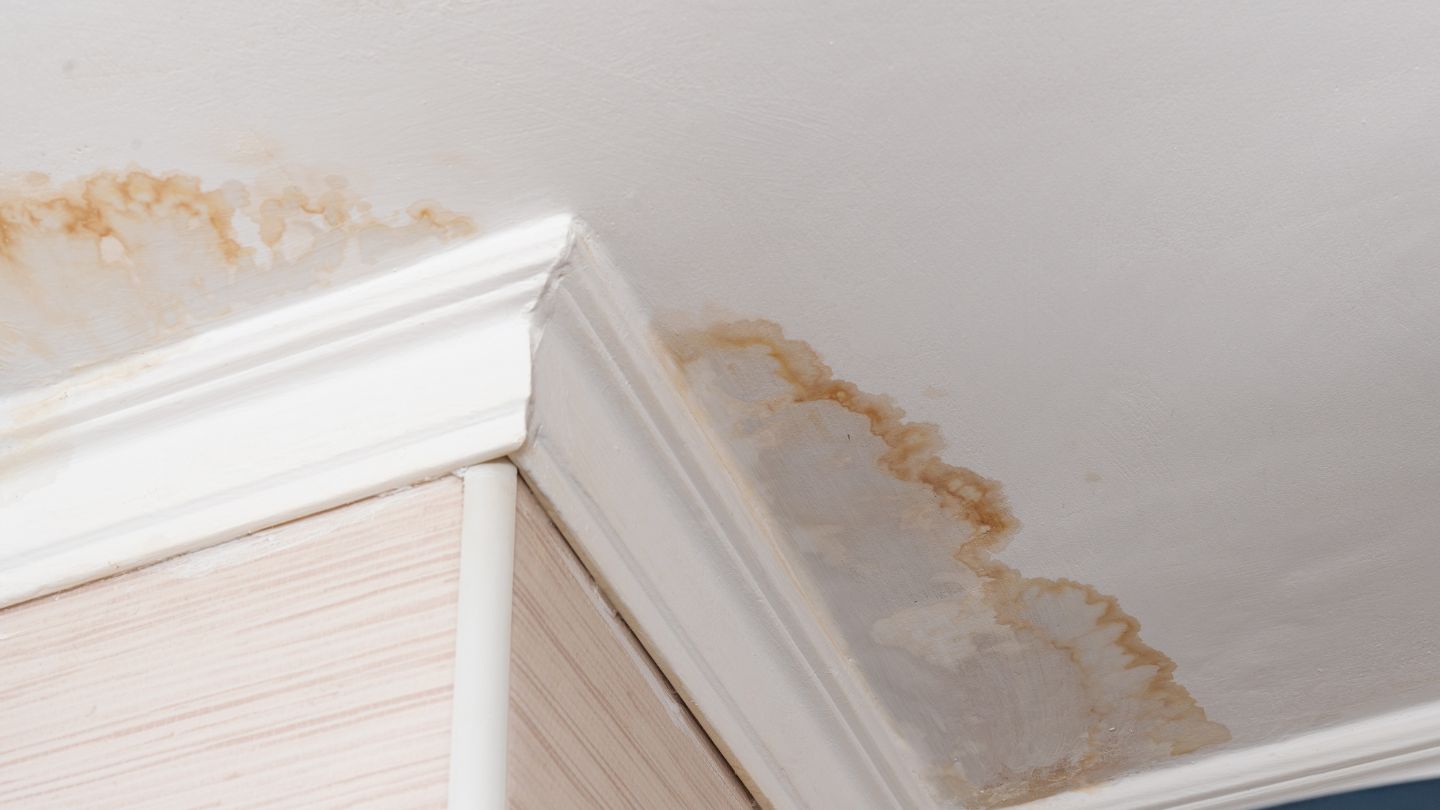

When floodwater enters a home, most homeowners focus on the obvious damage: wet carpets, ruined furniture, and standing water. But what you don’t see can be even more destructive. Floodwater seeps into walls, floors, and hidden cavities, leaving behind damage that may not appear until weeks or months later. Understanding these hidden risks is essential for protecting your property and your health.
How Water Seeps Into Building Materials
Walls and floors are made of porous materials like drywall, wood, and insulation, which soak up water quickly. Once moisture gets inside, it doesn’t dry out on its own. Even after the surface looks clean and dry, the materials underneath may still be saturated. This creates a perfect environment for mold, rot, and long-term structural issues.
Mold Growth in Hidden Spaces
One of the most dangerous consequences of hidden moisture is mold growth. Mold doesn’t need much to thrive, just moisture and organic material. Once spores settle inside walls or under flooring, they can multiply within 24–48 hours. Because it’s out of sight, mold often spreads extensively before homeowners notice. By then, air quality has already been compromised, and remediation becomes more complex.
“The real danger with floodwater isn’t what you can see, it’s what’s happening behind the walls,” says Eric Daniels of Water Damage Restoration Pros. “That’s where mold and rot set in, and by the time you notice, the damage is usually severe.”
Structural Weakness Over Time
Water-damaged wood framing, subfloors, and drywall lose their strength over time. Wooden beams may warp or rot, causing uneven floors or cracks in walls. Subfloors can swell, leading to buckling in hardwood or laminate flooring. Left untreated, these issues can compromise the integrity of the home and require major repairs that cost far more than immediate professional drying.
Electrical and Insulation Hazards
Floodwater doesn’t just damage structural materials, it also affects insulation and electrical systems hidden in the walls. Wet insulation loses its effectiveness and can become a breeding ground for mold. Electrical wiring exposed to moisture can corrode, short circuit, or even spark fires once the system is re-energized. These hidden hazards make it dangerous to ignore water damage, even if the home appears dry on the surface.
The Importance of Professional Inspections
The only way to detect and address hidden flood damage is through professional inspection and drying. Restoration experts use moisture meters, infrared cameras, and specialized equipment to identify water trapped in walls and floors. They then use industrial dehumidifiers and air movers to extract that moisture completely, ensuring your home is truly dry and safe.
Protecting Your Home for the Future
Ignoring hidden flood damage is a costly mistake. Mold remediation, structural repairs, and electrical rewiring can add up quickly, turning a manageable problem into a major renovation. Professional inspections and drying not only protect your home now but also prevent future issues that could lower property value or endanger your family’s health.
Floodwater damage isn’t always obvious, but it’s always serious. The best way to protect your home is to act quickly and call a professional restoration team who can uncover and fix the damage you can’t see.