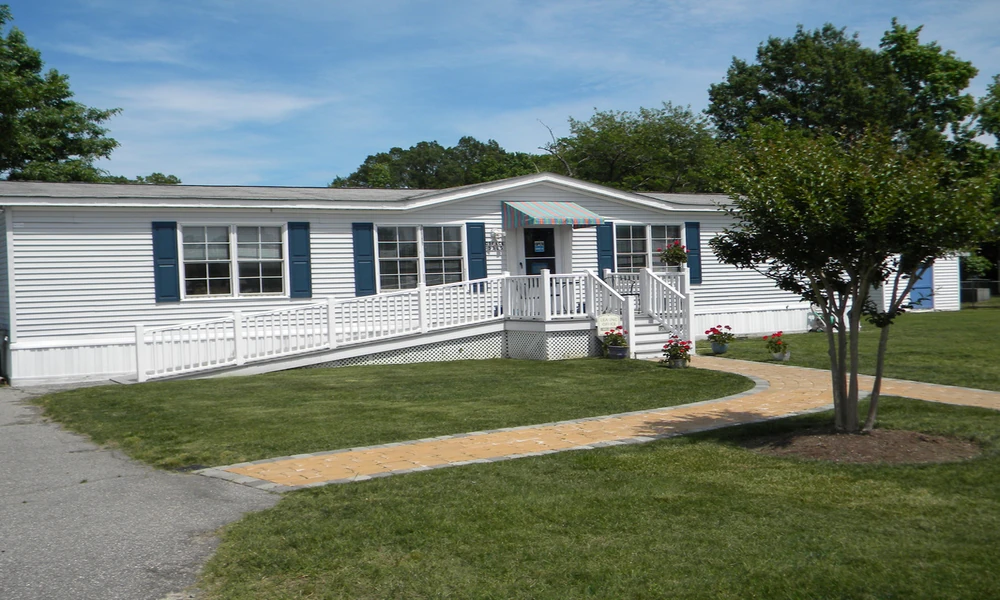

Electric vehicles are becoming a more common sight around Austin, Texas. What was once something mainly associated with newer subdivisions and higher-end homes is increasingly relevant to a much broader range of residents, including people who live in manufactured homes and mobile home communities.
For mobile home park managers, that trend creates an electrical planning issue that may not have been on the radar a few years ago. A resident purchasing an EV may reasonably want to charge it at home, but providing a convenient place to plug in an electric vehicle is not always as simple as installing an outlet near a parking space.
Mobile home communities can have different electrical layouts, older equipment, limited capacity, shared infrastructure and parking arrangements that make EV charging a more complicated project. Adding one charger may be manageable, while several residents charging vehicles at the same time could create an entirely different electrical demand.
That is why EV charging deserves to be treated as a community infrastructure issue rather than simply a new appliance installation.
Why EV Ownership Creates a New Electrical Consideration for Mobile Home Communities
An electric vehicle can draw substantially more power than many of the everyday devices residents use in their homes. A Level 2 EV charger, for example, may operate for several hours while delivering a significant amount of electricity to the vehicle.
For a homeowner with a relatively new electrical service, that may be straightforward. In a mobile home community, however, the electrical infrastructure serving individual homes and the park as a whole may have been designed before EVs were a consideration.
Park managers may therefore encounter questions such as:
- Does the individual home have enough electrical capacity?
- Is the existing service equipment appropriate for the additional load?
- Can the resident’s parking location accommodate a charger safely?
- Would multiple chargers create excessive demand on shared infrastructure?
- Who is responsible for the electrical work and equipment?
- Should residents be allowed to install their own chargers?
- Are there consistent installation standards throughout the community?
These are much easier questions to answer before residents begin purchasing equipment and scheduling installations.
Individual Home EV Chargers vs. Shared Charging Areas
One of the first decisions a mobile home park may need to consider is whether EV charging should occur at individual manufactured homes or at designated shared charging locations.
Installing a charger at an individual home can be convenient. The resident can park near the home, plug in at night and avoid having to move the vehicle to another part of the community. However, the electrical service to each home needs to be evaluated individually.
A resident may have sufficient capacity for a charger, while another home in the same community may not.
There can also be practical concerns involving the route of the wiring, placement of the equipment, parking arrangements, weather exposure and protection from physical damage.
A shared charging area offers a different approach. Instead of modifying multiple individual homes, a park could designate specific spaces for EV charging. This may make it easier to establish consistent equipment and installation standards.
The downside is that shared charging stations require their own planning. Managers have to consider where the stations will be located, how residents will access them, who will pay for electricity, how many vehicles the area should accommodate and whether the existing electrical infrastructure can support the combined demand.
There isn’t necessarily one right answer for every mobile home community. The best solution depends on the park’s electrical system, physical layout, resident needs and long-term plans.
Start With an Electrical Capacity Evaluation
Before approving a significant number of EV chargers, park managers should understand how much electrical capacity is actually available.
This is particularly important because the size of an electrical service does not tell the entire story. A licensed electrician can evaluate existing equipment and perform appropriate load calculations to determine whether the proposed EV charging equipment can be supported.
For example, a community may have residents using electric HVAC systems, electric water heaters, ranges, dryers and other high-demand equipment. Adding EV charging on top of those existing loads can significantly change the electrical demand.
The goal isn’t simply to ask, “Can we physically connect another circuit?”
The better question is, “Can the electrical system safely and reliably handle the additional demand under expected operating conditions?”
That distinction matters when planning for multiple chargers.
Older Infrastructure May Need Upgrades
Some Austin-area mobile home communities have electrical infrastructure that has been in service for decades. Older equipment isn’t automatically unsafe or incapable of supporting EV charging, but its age and condition deserve attention before additional loads are introduced.
Depending on what an electrician finds, an upgrade could involve electrical panels, service equipment, feeders, conductors, grounding and bonding components, disconnects or other portions of the electrical distribution system.
In some situations, the individual manufactured home may need an electrical upgrade. In others, the issue may be further upstream in equipment serving multiple homes.
This is one reason a park manager shouldn’t assume that a resident’s request for an EV charger is simply a minor electrical modification. A single installation might reveal an infrastructure issue that should be addressed before additional residents begin requesting similar equipment.
Dedicated Circuits and Proper Disconnects Matter
EV charging equipment should be installed according to its electrical requirements rather than treated like an ordinary extension-cord appliance.
Depending on the equipment and installation, a dedicated circuit may be necessary. Proper overcurrent protection, conductor sizing, grounding, disconnecting means and other electrical requirements need to be considered.
The installation also needs to account for the manufacturer’s specifications and applicable electrical codes.
This is particularly important in a mobile home park because the electrical equipment may be exposed to weather, vehicles and other physical conditions that aren’t present inside a conventional garage.
An electrician can determine the appropriate wiring method and equipment based on the charger, electrical service, installation location and site conditions.
Parking Layout Should Be Part of the Planning Process
Electrical planning shouldn’t happen separately from the park’s parking layout.
A charger might be electrically acceptable but poorly located from a practical standpoint. Cables should not create unnecessary trip hazards or extend across areas where vehicles and pedestrians regularly travel.
Managers should consider questions such as:
- Where do residents normally park?
- Are spaces assigned to individual homes?
- Is there enough room for charging equipment?
- Could a vehicle damage exposed equipment?
- Can charging cables reach vehicles without creating hazards?
- Could future parking changes affect the installation?
- Are shared charging spaces accessible to the residents who need them?
Thinking through these issues before installation can prevent expensive relocations later.
Plan for More Than One EV
Even if only one resident currently owns an electric vehicle, park managers may want to think beyond that first charger.
EV adoption could increase over time. Installing infrastructure for one vehicle without considering future demand can lead to a piecemeal approach where every new resident request requires another individual electrical modification.
A better long-term strategy may involve identifying potential charging locations and determining how the electrical infrastructure could eventually support additional stations.
That might mean installing appropriately sized infrastructure now, planning conduits or pathways for future expansion, or identifying areas where additional electrical capacity could eventually be added.
The objective isn’t necessarily to install a dozen chargers immediately. It is to avoid making today’s installation unnecessarily difficult to expand tomorrow.
Should a Handy Person Install an EV Charger as a DIY Project?
This is one area where mobile home park managers should establish a clear policy.
A resident may be very handy and comfortable working around electrical equipment. That doesn’t necessarily mean EV charger installation is an appropriate do-it-yourself project.
EV charging equipment can involve substantial electrical loads, dedicated circuits and modifications to a property’s electrical system. An improper connection, undersized conductor, inadequate protection or incorrectly installed equipment can create serious safety concerns.
For that reason, this type of electrical work should be left to a properly licensed Texas electrician rather than treated as a weekend DIY project.
Texas electrical licensing requirements and permitting considerations can vary depending on the specific work and jurisdiction, so park managers should also make sure the project follows applicable local requirements.
A professional installation provides something else that a DIY project cannot: an electrical evaluation of the system as a whole.
Before approving resident-installed EV charging equipment, managers can require documentation showing that the work was performed by an appropriately licensed electrical professional and that required permits or inspections have been addressed.
That creates a much more consistent approach throughout the community.
Creating Consistent EV Charging Standards
Mobile home park managers can make future EV requests easier to handle by establishing community-wide standards.
Rather than evaluating every resident’s proposal from scratch, the park could establish guidelines covering issues such as:
- Approved charger types
- Required electrical contractor qualifications
- Permitting and inspection requirements
- Dedicated circuit requirements
- Equipment placement
- Parking considerations
- Cable management
- Weather and physical protection
- Responsibility for maintenance
- Responsibility for electricity costs
- Removal requirements when a resident moves
- Approval procedures before electrical work begins
Having a written process also helps prevent one resident from receiving an installation that would not be acceptable for another resident.
Consistency is especially valuable when several different electricians or electrical contractors may eventually work on the property.
Work With an Austin Electrician Before Approving Resident Installations
EV charging is still relatively new for many mobile home communities, so managers don’t have to figure out the electrical side of the issue alone.
A licensed electrician can evaluate the existing electrical infrastructure, review proposed charging locations, perform load calculations and identify upgrades that may be necessary before equipment is installed.
That evaluation can also help managers distinguish between an installation that is relatively straightforward and one that could place excessive demand on existing equipment.
For park managers who are developing policies for EV charging, that professional input can be useful even before the first resident submits an installation request.
Mobile home park managers in Austin, Texas can trust Bebee Electric Plus when they need the services of an experienced licensed electrician.
Bebee Electric Plus can help property managers approach electrical projects with the broader infrastructure in mind rather than looking at every EV charger as an isolated installation.
Preparing Mobile Home Parks in Austin, Texas for the Next Stage of EV Adoption
Electric vehicles are likely to become a more familiar part of everyday life in Austin. For mobile home communities, that means EV charging may eventually become as much a property-management consideration as other electrical upgrades.
The communities that prepare early have an opportunity to establish sensible standards before charging requests become widespread.
That doesn’t necessarily mean installing charging stations everywhere today. It means understanding the existing electrical capacity, identifying potential locations, establishing installation requirements and considering what the community might need five or ten years from now.
Most importantly, EV charging should be approached as electrical infrastructure-not simply as another outlet.
By involving a licensed electrician before approving installations, mobile home park managers can make better decisions about capacity, equipment, safety and future expansion. A thoughtful plan can also give residents a clear process for requesting EV charging without forcing management to reinvent the rules every time another electric vehicle arrives.
For mobile home parks in Austin, Texas, the transition to EVs can be manageable. The key is making sure the electrical infrastructure and community policies are prepared to support it safely and consistently.