
Homeowners today are paying more attention to energy efficiency, indoor comfort, and long-term cost savings. Traditional insulation materials often fail to meet modern expectations in sealing and performance. Spray foam insulation has become a preferred choice because it offers better efficiency, improved living conditions, and reliable long-term value.
What Is Spray Foam Insulation?
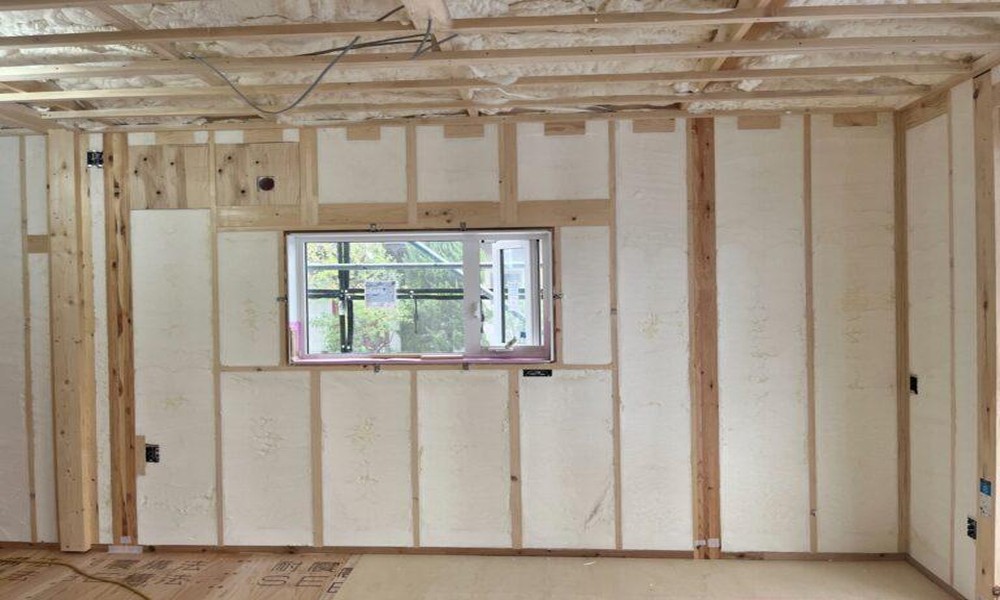
Spray foam insulation is created by mixing two liquid components that react and expand into foam. This expanding material fills gaps, cracks, and cavities, forming a continuous insulation layer. Unlike traditional materials, it not only insulates but also seals air leaks.
There are two main types used in residential applications. Open-cell foam is soft and breathable, while closed-cell foam is denser and provides stronger insulation and moisture resistance.
Key Benefits Driving Adoption
Spray foam insulation offers a combination of benefits that directly improve everyday living. Its ability to seal air leaks and maintain indoor temperature makes it especially attractive for modern homes. Compared to traditional insulation, it provides both functional and economic advantages.
Main Benefits
- Reduces heat loss by 30-50%, lowering energy bills
- Creates an airtight seal to prevent drafts
- Improves indoor temperature consistency
- Resists moisture and reduces mold risk
- Provides long service life of 10-20 years
Spray Foam vs Traditional Insulation
Many homeowners are switching because traditional insulation materials cannot provide complete air sealing. Spray foam offers better performance in both insulation and durability, making it a more efficient solution over time.
|
Feature |
Spray Foam |
Fiberglass |
Cellulose |
|---|---|---|---|
|
Air sealing |
Excellent |
Poor |
Moderate |
|
Insulation value |
High |
Medium |
Medium |
|
Moisture resistance |
High |
Low |
Low |
|
Lifespan |
Long |
Medium |
Medium |
Where Spray Foam Is Used in Homes
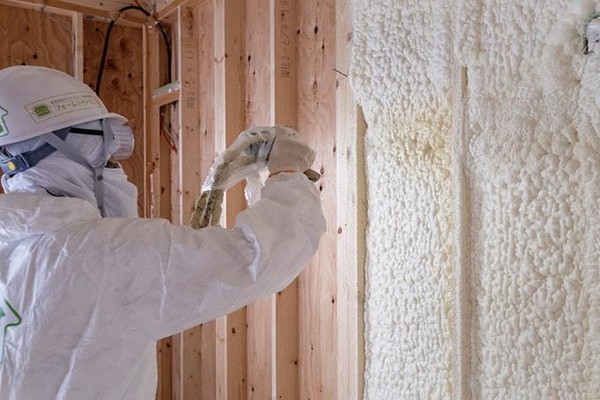
Spray foam insulation is used in multiple areas of a home because it expands to fill gaps and creates a continuous air barrier. Unlike traditional materials that leave small openings, spray foam adapts to irregular spaces, making it highly effective in both new construction and renovation projects where airtight sealing is important.
Common Areas of Application
- Attics and roofs – Spray foam is applied to roof decks and attic spaces to prevent heat loss in winter and reduce heat gain in summer, improving overall energy efficiency.
- Wall cavities – It fills gaps inside walls, reducing air leakage and helping maintain stable indoor temperatures throughout the year.
- Basements and crawl spaces – Spray foam seals moisture-prone areas, helping prevent mold growth and improving structural protection.
- Around windows and doors – It is used to seal small gaps that often cause drafts, improving comfort and reducing energy waste.
Practical Insight
In most homes, energy loss happens through hidden gaps in walls, roofs, and floors rather than through large surfaces. Spray foam insulation addresses these weak points by creating a seamless barrier, which can improve overall insulation performance by 30-50% compared to traditional materials.
Cost vs Long-Term Value
Although spray foam insulation has a higher upfront cost, it provides significant long-term savings. Reduced energy consumption and lower maintenance needs make it a cost-effective investment over time.
Typical Cost Range
- Open-cell foam: $1.5 – $3.0 per sq.ft
- Closed-cell foam: $3.0 – $7.0 per sq.ft
In many cases, energy savings can offset the initial investment within 3-5 years, making it financially attractive.
The Role of Equipment in Spray Foam Quality
The performance of spray foam insulation depends not only on the material but also on the equipment used during application. Professional spray foam machines ensure accurate mixing, stable pressure, and consistent spraying, which are essential for achieving uniform foam structure.
Key Factors
- Mixing ratio accuracy around ±1%
- Stable temperature and pressure control
- Consistent spray pattern for even coverage
High-quality equipment helps reduce defects and improves overall insulation performance.
Safety and Installation Considerations
Safety is an important consideration when using spray foam insulation. Most potential risks occur during installation rather than after the foam has cured. Proper procedures can effectively minimize these risks.
Key Points
- Ensure proper ventilation during application
- Installers should use protective equipment
- Allow curing time of 24-72 hours before re-entry
Once fully cured, spray foam is generally safe for everyday living environments.
Why Demand Is Increasing
The demand for spray foam insulation continues to grow as homeowners seek better performance and efficiency. Rising energy costs and stricter building standards are pushing the market toward more advanced insulation solutions.
Key Drivers
- Increasing energy prices
- Growing focus on sustainability
- Improved building efficiency standards
- Demand for better indoor comfort
How to Choose the Right Solution
Choosing the right spray foam solution depends on your home structure and performance goals. Understanding the differences between foam types helps ensure better results.
Quick Guide
- Need maximum insulation and moisture resistance → choose closed-cell foam
- Need comfort and airflow → choose open-cell foam
- Limited budget → consider partial or targeted application
Professional Insight
Working with experienced suppliers and contractors helps ensure the best results. Professional support includes material selection, equipment setup, and application guidance tailored to specific project needs.
Homeowners and contractors can explore solutions from companies like Yongjia Polyurethane, which provide spray foam equipment and technical support for different applications.
Spray foam insulation is becoming a preferred choice because it delivers better performance than traditional materials. It improves energy efficiency, enhances comfort, and reduces long-term costs. For homeowners looking to upgrade their living environment, it offers a practical and future-ready solution.