
Managing hazardous materials in educational institutions and public facilities requires strict adherence to safety standards and proactive environmental controls. Many older structures contain asbestos-containing materials within drywall, floor tiles, roofing, and ceiling insulation. When these materials deteriorate or become disturbed during routine maintenance or renovations, airborne microscopic fibers create severe health risks for students, faculty, and visitors. Establishing clear containment, routine inspection, and professional remediation protocols ensures that indoor environments remain safe and compliant.
Identifying Hazards and Conducting Detailed Site Assessments
Protecting public facilities begins with comprehensive site assessments and environmental testing. Certified environmental specialists evaluate the structural integrity of building components to pinpoint exact hazard locations.
- Inspecting vulnerable building elements like pipe insulation, vinyl flooring, and textured surfaces
- Monitoring potential deterioration caused by water leaks, aging infrastructure, or physical wear
- Developing tailored abatement and containment plans based on accurate site findings
Early identification prevents unexpected exposures and enables facility managers to plan necessary interventions without interrupting daily operations.
Engineering Controls and Advanced Containment Protocols
When addressing asbestos within active public spaces, containment is the primary line of defense. Professional technicians establish strict physical barriers to ensure hazardous particles cannot escape into clean areas.
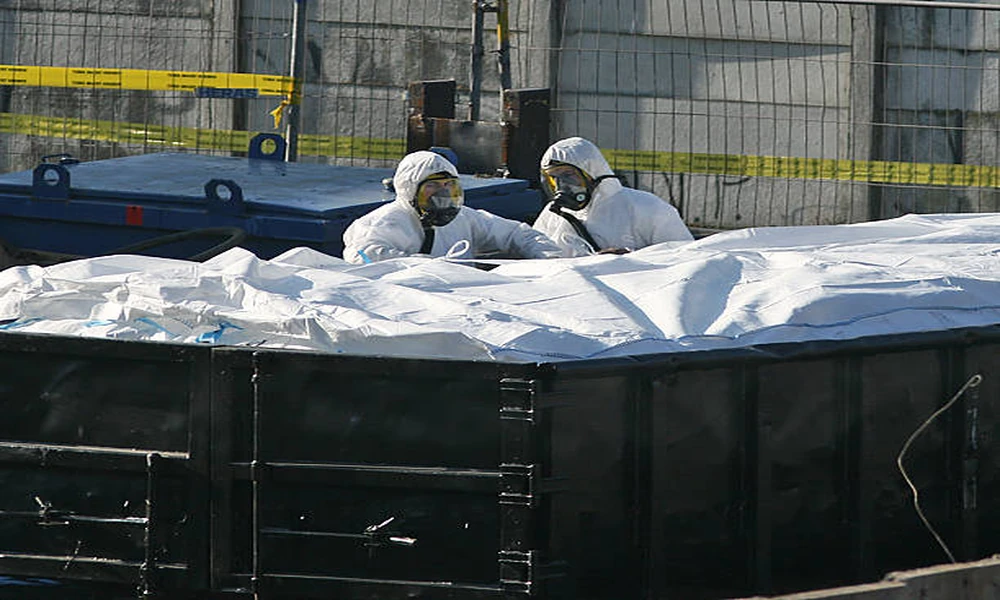
Workspaces are completely sealed using heavy-duty plastic sheeting and durable tarps. Technicians initiate negative airflow systems equipped with high-efficiency particulate air filtration to capture microscopic airborne contaminants. Drop cloths are placed along adjacent pathways to catch stray debris, ensuring that surrounding hallways, classrooms, and offices stay fully protected throughout the remediation process.
Safe Removal, Disposal, and Environmental Verification
Once the containment zone is secured, trained specialists carefully remove or encapsulate the targeted materials. All collected waste is safely packaged according to stringent regulatory guidelines and transported directly to designated disposal sites.
Continuous environmental air monitoring takes place during and after the project to verify that containment measures function correctly. Final clearance testing confirms that air quality meets safety standards before the area is reopened for public use.
Maintaining Long-Term Safety and Compliance
Safely managing asbestos requires an ongoing commitment to transparency, regulatory compliance, and regular surveillance. Working with experienced abatement contractors helps property managers navigate complex safety requirements, execute emergency responses, and maintain healthy indoor air quality. Professional environmental services provide peace of mind while safeguarding public health for years to come.
Written by a professional at THE HAZMAT TEAM, this post reflects expert insight. Choose a trusted asbestos abatement contractor serving Orange County, California, including Garden Grove mold remediation. THE HAZMAT TEAM provides safe removal backed by experience and care.