
Recognizing Signs That a Hazardous Tree Requires Immediate Professional Removal by Joel’s Pro Tree Service
Trees offer privacy, shade, and natural beauty to residential properties. However, when structural integrity becomes compromised, a once-stately tree can quickly transform into a significant safety threat. Environmental stress, storm damage, age, and disease can undermine a tree’s stability, increasing the risk of property damage or injury. Recognizing the early warning signs of a hazardous tree allows property owners to address potential dangers before disaster strikes.
Structural Weaknesses and Visible Decay
A tree’s main trunk and primary limbs support its entire weight distribution. When decay sets in, the tree’s strength degrades from the inside out, making it vulnerable to sudden failure. Key indicators of structural decay include:
- Trunk Cracks and Deep Splits: Vertical gashes, deep trunk splits, or hollow cavities indicate severe internal stress. A tree with significant hollow areas or compromised load-bearing wood loses its ability to withstand high winds.
- Fungal Growth and Mushrooms: Brackets or mushroom clusters growing around the base or along the main trunk signify active decay within the wood structure or root system.
- Missing or Peeling Bark: Large sections of missing, shedding, or deeply damaged bark reveal areas where living tissue has died, leaving the underlying structure exposed to further deterioration.
Root System Instability and Sudden Leaning
While some trees naturally grow at an angle toward sunlight, a sudden or worsening lean indicates critical root failure. Roots serve as the structural anchor for the entire organism. When the root system is damaged by construction, soil erosion, or root rot, the entire structure becomes unstable.
Warning signs surrounding the base include soil heaving, cracked earth on the side opposite the lean, or exposed, lifting roots. If a leaning tree threatens nearby structures, driveways, or outdoor living spaces, immediate professional intervention is essential to safely mitigate the hazard.
Canopy Health and Falling Deadwood
Evaluating the canopy provides valuable insight into a tree’s overall health and stability. Large, dead branches suspended in the upper canopy pose a severe risk to anyone walking below. These brittle limbs can snap and fall without warning, even on calm days.
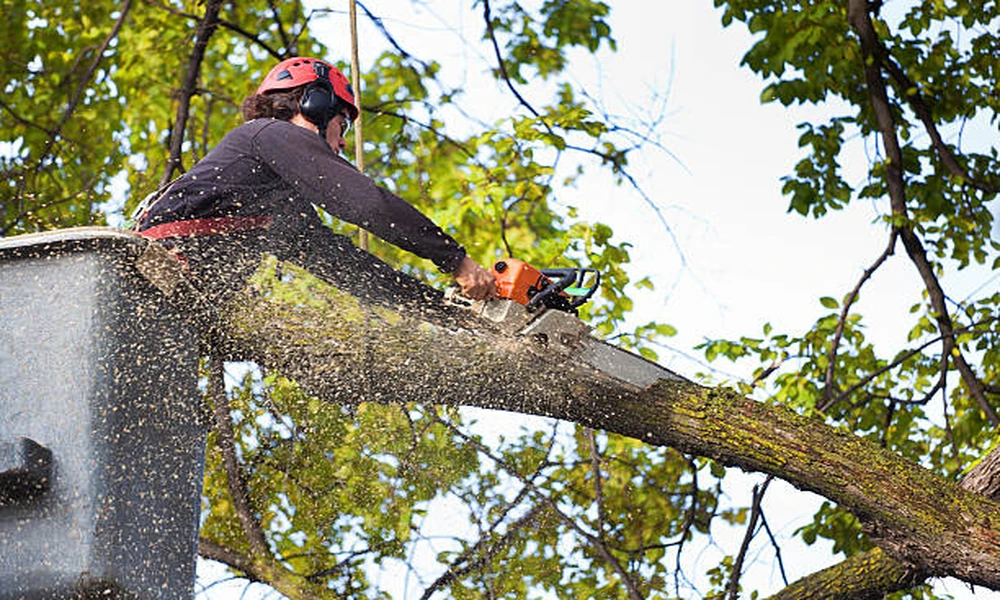
A sparse canopy, premature leaf discoloration, or widespread dieback throughout major limbs indicates the tree is no longer receiving essential nutrients. When a major portion of the canopy is dead or dying, full removal is often the safest path forward. Professional tree technicians utilize specialized rigging gear, cranes, and safety equipment to safely dismantle hazardous trees section by section, protecting your surrounding property and home.
This post was written by a professional at Joel’s Pro Tree Service. Joel’s Pro Tree Service is a full-service tree service company in Tampa, Florida, specializing in tree removal, tree trimming, pruning, stump grinding, and emergency tree services. As one of the leading tree service companies near you, we serve clients throughout the Tampa Bay area. Our experienced team provides expert guidance and reliable solutions, making us a trusted choice for tree service near you focused on quality, value, and performance.