
Seeing a pest inside the house raises a few questions. Is it an isolated visitor, are more nearby, or is something around the property attracting them? Palisade Pest Control can help connect those clues during an inspection, tracing a sighting back to its source. Oklahoma’s seasonal changes also affect where pests show up. Termites and fire ants become more active during warmer months, while rodents may seek shelter indoors when temperatures drop. The first clues often come from where the pest appears, what it leaves behind, and what’s happening around that part of the property.
Start With Where You Found It
The room or area where you find a pest can narrow things down. Ants around a kitchen window are dealing with a different set of circumstances than mice leaving droppings in a garage. Cockroaches stay close to water and food, while spiders gather wherever other insects are available to eat.
Look at the area before cleaning everything up. Check along baseboards, around windows, beneath sinks, and near doors. Outside, check the foundation, garage, and porch. Look at places where vines or other vegetation press against the siding or a doorframe.
Signs May Still be Present After the Pest Is Gone
You may not see the pest again after the first sighting, but what it leaves behind can still tell you something.
- Mouse or rat droppings. These show up along walls, inside cabinets, or in garages, often before anyone spots the animal itself.
- Termite mud tubes. These can appear along foundations or wooden supports and may indicate termite activity.
- Ant trails. Ants leave a visible trail running between a food source and an opening somewhere nearby.
- A concentration of webs around an exterior light. This usually means flying insects are gathering there at night.
Common Pests Leave Different Clues
Termites build narrow, protected tunnels called mud tubes to travel between the soil and a food source without being exposed. A mud tube along a foundation is often the first real sign something’s already at work. Wood damage can follow, though it isn’t always visible from the outside.
Ants travel in groups, which makes them easier to spot than most household pests. Following the trail can lead to a crack, window frame, wall opening, or food source. Carpenter ants deserve attention when they show up around damp or damaged wood.
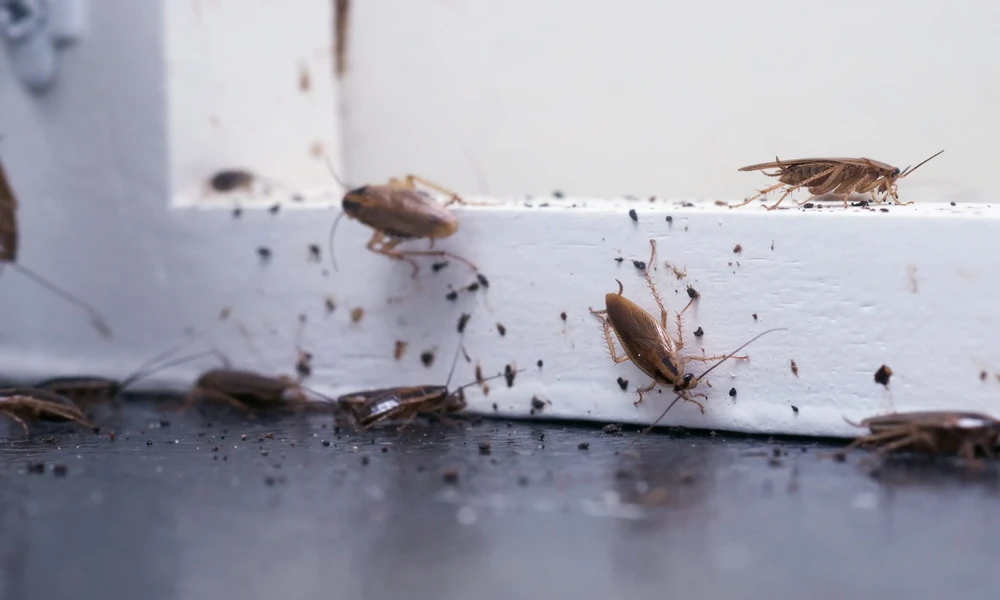
Cockroaches take the opposite approach. They avoid open areas whenever people are around, which means the dark spaces near sinks, appliances, cabinets, and plumbing are where to look. Droppings and egg cases can linger there long after the insects themselves have moved on.
For rodents, droppings and gnaw marks are the most common giveaway. Scratching sounds at night are another clue to watch for. Garages, attics, and the spaces around pipes or utility lines give mice and rats access to parts of the house that don’t get disturbed often, which makes them easy to overlook.
The web can provide more information than the spider itself. Webs showing up again and again around lights, eaves, sheds, and other outdoor spots usually point to insects nearby that the spider is feeding on.
Look Beyond the Pest
Finding the right name for a pest is useful, but it doesn’t explain why it appeared in the first place.
Check what’s happening around the spot where you found it. A leaking pipe can attract insects. Food left in an accessible container can draw ants or rodents. Leaves and dense plants against the house give pests somewhere to hide.
Outdoor lighting is also a factor. It draws flying insects close to the home, which then attracts spiders and other predators looking for an easy meal.
What a Recurring Sighting Is Telling You
One pest inside the house doesn’t always mean there’s a larger problem. Seeing the same one again and again is a different story.
If ants keep returning to one window, rodents keep leaving droppings in the garage, or cockroaches keep appearing in the same part of the kitchen, that’s usually a sign of an entry point or food source close by. A professional inspection can connect those signs with what’s happening around the property as a whole. That can help pinpoint how pests are getting in and what is keeping them there.