
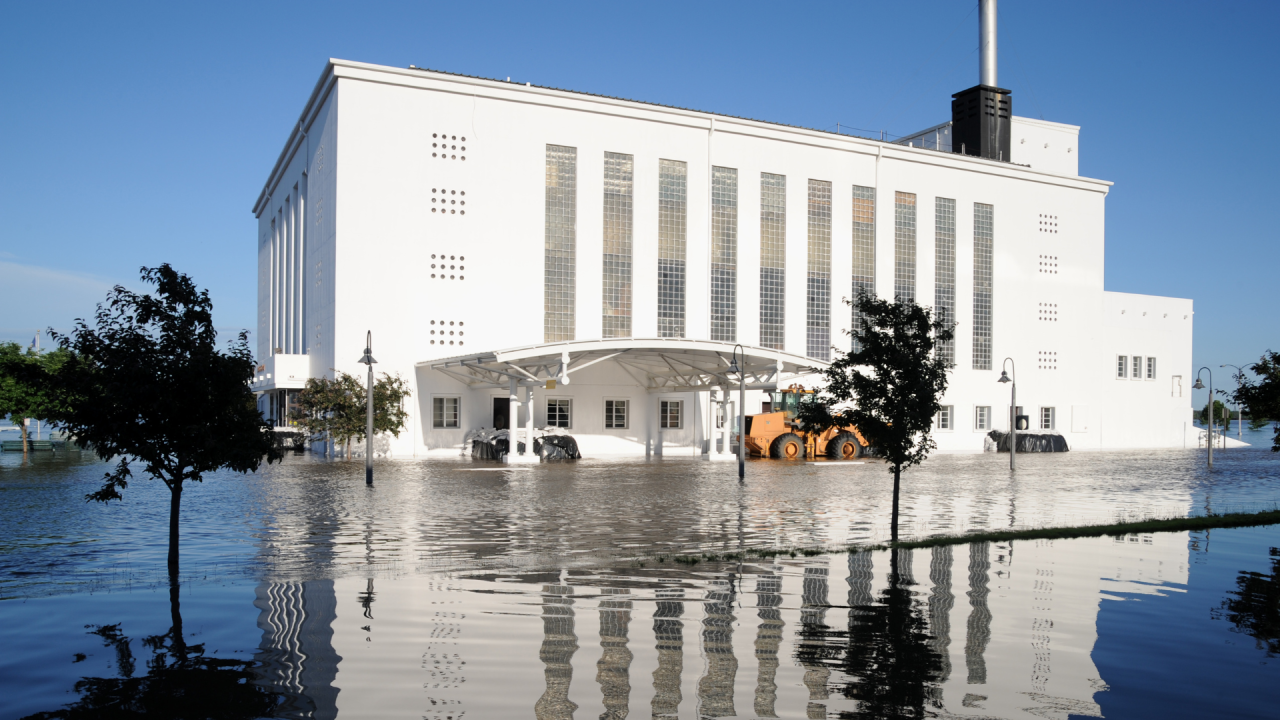

When flooding hits a commercial property, downtime becomes one of the biggest concerns for business owners. Every hour a business is closed can mean lost revenue, missed opportunities, and strained customer relationships. While some downtime is unavoidable after a flood, the right response can significantly shorten recovery time and help operations resume faster.
Why Downtime Becomes So Costly After Flooding
Flooding affects more than just the physical building. Employees may be unable to work, equipment may be unusable, and customers may turn elsewhere while the business is closed. Fixed expenses like rent, utilities, and payroll often continue even when income stops.
For retail, hospitality, healthcare, and industrial operations, downtime can also damage reputation. Customers expect reliability, and extended closures may cause them to lose confidence or seek competitors.
Act Fast in the First Hours After Flooding
The speed of your initial response plays a major role in how long downtime lasts. Standing water spreads quickly into flooring, walls, and structural materials. The longer water remains, the more damage it causes and the longer restoration takes.
Shutting off the water source if possible, securing electrical systems, and calling professional restoration services immediately helps limit damage. Fast action reduces the amount of material that must be removed or replaced, allowing repairs to move forward sooner.
Professional Water Extraction Makes a Difference
One of the most effective ways to reduce downtime is professional water extraction. Commercial restoration teams use high-powered equipment designed to remove large volumes of water quickly. This is far more effective than basic pumps or wet vacuums.
Rapid extraction prevents moisture from soaking deeper into materials. It also allows drying equipment to work more efficiently, speeding up the overall restoration timeline.
Focus on Priority Areas First
Not every part of a business needs to reopen at the same time. Identifying priority areas helps reduce downtime even if full restoration is still ongoing. For example, a retail store may focus on reopening the sales floor while back offices are restored.
Warehouses may prioritize loading docks or production areas first. Offices may restore essential workspaces before common areas. Professional restoration teams can help create phased recovery plans that support partial reopening when possible.
Address Hidden Moisture Early
Hidden moisture is one of the biggest causes of extended downtime. Water trapped under flooring, inside walls, or above ceilings can delay repairs and lead to mold growth. If mold develops, additional remediation is required, extending closures even further.
Professional moisture detection tools identify these hidden wet areas early. Drying them properly prevents secondary damage and avoids future shutdowns caused by mold or air quality issues.
Communicate Clearly With Staff and Customers
Clear communication helps reduce the impact of downtime. Employees should know when they are expected to return and what areas are safe to enter. Customers should be informed about closures, temporary locations, or reopening timelines.
Transparency builds trust and helps manage expectations. Businesses that communicate clearly during recovery often retain customer loyalty even after unexpected closures.
Work With Restoration Teams That Understand Commercial Needs
Commercial flood restoration is different from residential cleanup. Businesses need restoration partners who understand the importance of speed, safety, and operational continuity. Experienced commercial teams coordinate water removal, drying, cleanup, and repairs efficiently to reduce downtime.
They also work alongside electricians, HVAC professionals, and inspectors to avoid delays caused by failed inspections or unsafe conditions.
“Minimizing downtime is about making the right moves early and working with professionals who understand how businesses operate,” says Justin Milton of Disaster Restoration Pros. “Fast extraction, proper drying, and clear planning help businesses reopen sooner and stronger.”
Plan Ahead to Reduce Future Downtime
Preparation reduces downtime before flooding ever occurs. Having an emergency response plan, knowing who to call, and protecting critical equipment all speed up recovery. Businesses that prepare reopen faster and suffer fewer long-term disruptions.
Getting Back to Business Faster
Flooding is disruptive, but downtime does not have to define recovery. With fast action, professional restoration, and clear planning, businesses can reduce closure time and protect revenue. Minimizing downtime keeps operations moving and helps businesses recover with confidence.