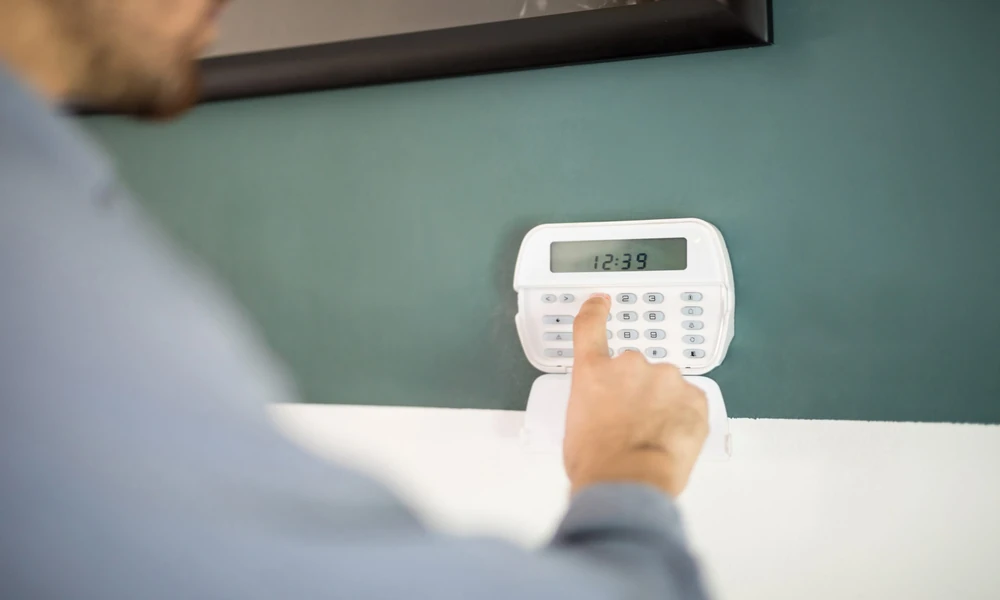

Home safety improvements do not need to be expensive or technically complex to deliver meaningful protection. Many of the most effective upgrades involve replacing aging equipment, installing standard safety devices, and addressing small physical hazards before they lead to injury. A systematic approach that works through each area of the home identifies risks that become invisible through daily familiarity and prioritizes the fixes that matter most for the people living there.
Upgrading Smoke and Fire Detection
Older smoke detectors lose sensitivity over time and should be replaced every ten years regardless of whether they appear to be functioning. Homes that still rely on ionization-only detectors gain significant protection from adding photoelectric models, which respond more quickly to slow-burning, smoldering fires. The residential smoke detectors should cover every sleeping area, hallway outside bedrooms, and each level of the home. Interconnected systems that sound all alarms when one activates give occupants maximum warning time regardless of where a fire begins.
Addressing Electrical Hazards
Electrical hazards are common in older homes and create fire risks that are not always visible. Extension cords used as permanent wiring, overloaded circuits, and outlets without ground fault protection in wet areas all represent hazards worth addressing. Installing GFCI outlets in bathrooms, kitchens, garages, and outdoor areas reduces electrocution risk significantly in locations where water and electricity can come into contact. Any outlet that trips frequently, feels warm, or has visible scorching requires professional inspection before continued use.
Improving Stair and Floor Safety
Stairways and flooring present fall hazards that are particularly significant for young children and older adults. Loose stair treads, worn carpet edges, and missing or wobbly handrails should be repaired promptly. Non-slip stair treads add traction to bare wood or tile stairs that become slippery in socks or wet feet. Area rugs in high-traffic areas require non-slip backing or should be removed if they pose a tripping hazard. These repairs require minimal skill or expense but prevent the kind of fall injuries that frequently result in emergency care.
Securing Heavy Furniture and Appliances
Unsecured heavy furniture and appliances tip over with very little force, posing a serious risk particularly to young children who climb. Bookcases, dressers, televisions, and filing cabinets should be anchored to wall studs with furniture straps. Appliances like washing machines and water heaters benefit from proper bracing in earthquake-prone regions. Anti-tip brackets on freestanding ranges prevent the lever effect that occurs when weight is placed on open oven doors. These simple anchoring measures address a hazard that causes significant injuries annually.
Ensuring Safe Storage of Hazardous Materials
Cleaning products, medications, paints, and garden chemicals present poisoning hazards when stored accessibly to children or improperly in ways that cause degradation, leakage, or fire risk. Childproof cabinet locks on storage locations containing hazardous materials keep them out of reach. Medications should be stored in original containers in a secure location rather than left accessible on counters. Flammable materials like solvents and fuels should be stored in approved containers in ventilated outdoor structures away from ignition sources.
Conclusion
Practical home safety upgrades address the most common and consequential risks that residential properties present. Smoke detection, electrical safety, fall prevention, furniture anchoring, and proper chemical storage each reduce a distinct category of risk. Working through these priorities systematically makes a home measurably safer without requiring major renovation or significant expense.