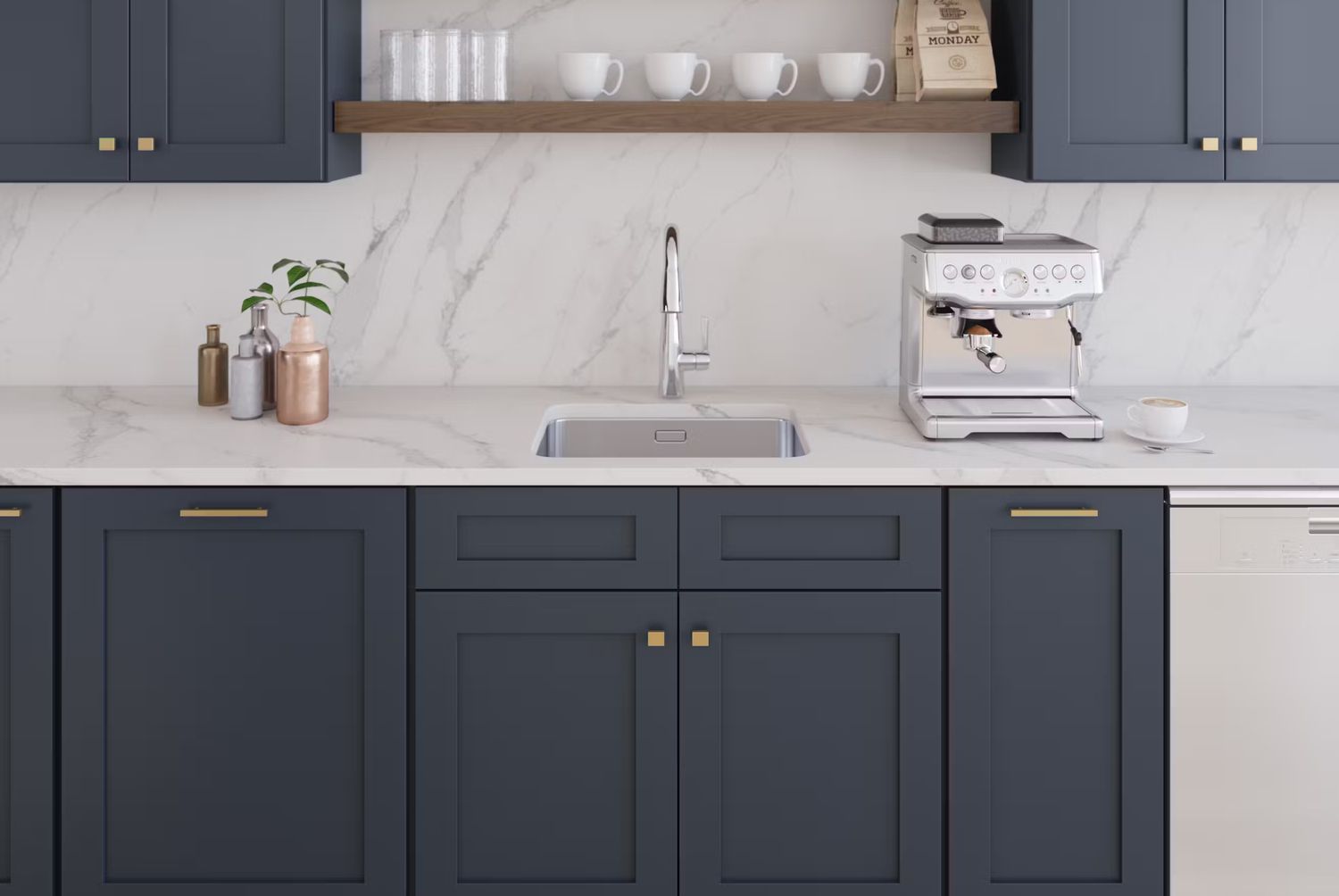

A kitchen renovation can feel like standing at a crossroads: so many options, styles, and price points, and only one chance to get it right. Whether you are dreaming of a sleek modern space or a warm, traditional kitchen, the cabinets you choose will shape both the look and the life of your space. Industry experts agree: picking kitchen cabinets isn’t just about color and style. It’s about making smart choices that combine durability, function, and design to suit your unique lifestyle.
Key Considerations When Choosing Kitchen Cabinets
Your search for the perfect cabinets starts with a few foundational questions. What fits your usual cooking habits? How much storage do you need? Is your kitchen the heart of family gatherings or a minimalist chef’s domain? Experts urge homeowners to think beyond surface appearances and consider what is underneath: the materials, construction methods, and finishes that determine how your cabinets will hold up over years of daily use.
Material Types: Wood, Laminate, MDF, and More
Solid wood remains the gold standard for many designers. Species like birch, oak, and maple are prized for their natural beauty, strength, and the way they age gracefully. However, engineered woods such as MDF (medium-density fiberboard), HDF (high-density fiberboard), and particleboard have made tremendous advances. These options offer smooth finishes, consistent color, and can be more budget-friendly. Laminate and thermofoil cabinets are another modern favorite, delivering sleek, easy-to-clean surfaces in a variety of colors and textures.
Cabinet Door Styles: Shaker, Raised Panel, Slab, and Others
The door style sets the tone for your entire kitchen. Shaker doors, with their clean lines and squared edges, offer classic appeal that works in almost any home. Raised panel doors evoke a more traditional feel, perfect for those who love intricate detail. Flat slab panels, on the other hand, are the signature of modern minimalism. Mixing and matching these styles lets you create a space that feels tailored to you.
Overlay Options: Full Overlay vs. Standard Reveal
Overlay describes how much the cabinet door covers the frame. Full overlay doors create a seamless, contemporary appearance by covering nearly the entire cabinet box. Standard reveal (sometimes called partial overlay) exposes more of the frame, which can add a traditional touch and simplify installation. Some designers also opt for a “half reveal” look to blend modern simplicity with classic structure.
Comparing Popular Cabinet Species and Finishes
Choosing the right species and finish can be the difference between a kitchen that ages beautifully and one that shows every scratch. Let’s break down the most popular options and what makes them stand out.
Birch vs. Oak vs. MDF: Durability and Aesthetics
| Species | Durability | Appearance | Cost |
|————|————–|—————————|———–|
| Birch | High | Smooth, light grain | Moderate |
| Oak | Very High | Pronounced, rustic grain | Moderate |
| MDF | Medium | Ultra-smooth, no grain | Budget |
Birch is loved for its strength and its ability to take paint or stain evenly. Oak is nearly indestructible and highlights a more rustic, textured grain. MDF is smooth and stable but less resistant to moisture, making it best for painted finishes and interior panels.
Painted vs. Natural Wood Finishes
Painted cabinets (especially in whites, greys, or deep blues) are riding a wave of popularity. They allow for bold color statements and a crisp, uniform appearance. Natural stains, however, bring out the unique grain of the wood, offering warmth and character that deepens over time.
Matte, Glossy, and Textured Laminates
For homeowners drawn to modern designs, laminate options can be a revelation. Matte finishes provide a subtle, understated elegance, while glossy laminates reflect light and make small kitchens feel larger. Textured laminates, mimicking wood grain or stone, deliver contemporary style with added durability.
Design Trends and Their Impact on Cabinet Selection
What’s trending in kitchen design today? The answer could influence both your style choices and your resale value.
Modern Minimalism: Flat Slab and Slab Panels
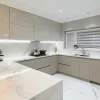
Sleek, handle-free cabinets with flat slab panels are the hallmark of modern kitchens. They create a clutter-free look and work exceptionally well in both small and large spaces. Materials like thermofoil or high-gloss laminates often enhance this aesthetic.
Classic and Traditional Styles: Raised Panels and French Miter
Those who favor timeless elegance gravitate toward raised panel doors and ornate details like French miter construction. These cabinets showcase craftsmanship and suit historic or classically styled homes.
Color Trends: Whites, Greys, Blues, and Black Cabinets
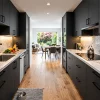
Experts report a surge in two-tone kitchens, bold navy blues, charcoal blacks, and matte whites. These colors not only feel current but also stay versatile as tastes shift.
Overlay and Panel Style Combinations: Functionality Meets Style
Pairing overlay and panel styles can make or break your kitchen’s functionality and look.
Full Overlay with Shaker Panels
This combination is a designer favorite, blending modern seamlessness with timeless simplicity. It maximizes storage and provides a clean, unfussy look.
Half Reveal Overlay with Modern Panels
A half reveal can soften the severity of ultra-modern slab panels, adding subtle dimension without detracting from a minimalist vibe.
Wood Overlay with Raised Panels
For those who want tradition front and center, wood overlays paired with raised panels exude depth, character, and luxury. Solid wood construction brings richness, especially in natural stains or classic whites.
Expert Recommendations on Cabinet Construction and Quality
A kitchen is only as good as its bones. Look beneath the surface, and you’ll discover how well your investment will stand up to the realities of daily life.
Solid Wood vs. Engineered Wood: Pros and Cons
Solid wood cabinets win on longevity and can be refinished multiple times, but they demand a higher price. Engineered wood options (like MDF or particleboard) are affordable and consistent, but more vulnerable to moisture and heavy wear.
Importance of Cabinet Hardware and Soft-Close Features
Quality hinges, drawer slides, and soft-close mechanisms are game-changers. Not only do they increase comfort, but they also extend the life of your cabinets by protecting doors and frames from hard slams.
Evaluating Cabinet Box Construction and Durability
Seek out cabinets with thick box construction, sturdy corner braces, and full back panels. Dovetail or dowel joints provide superior strength over simple staples or glue.
Budget Considerations and Value Optimization
Stretching your dollar wisely can help you achieve the kitchen of your dreams without regret.
Cost Differences by Species and Panel Style
Expect to pay a premium for solid wood, raised panels, and custom finishes. Engineered woods and laminate panels are more affordable, especially in flat slab or simple shaker styles.
Balancing Style Preferences with Longevity
Experts recommend investing in high-traffic components such as drawer boxes and hinges, while considering more affordable panel options for less-used areas.
Where to Save and Where to Invest in Cabinets
Save on decorative elements that can be updated later (like cabinet pulls). Invest in sturdy boxes and doors, soft-close hardware, and finishes that will survive both trend cycles and daily messes.
Showroom vs. Online Shopping: How Experts Advise Navigating Both
The best choice often combines both digital research and in-person experience.
Benefits of Visiting Physical Showrooms
Touching, opening, and inspecting actual cabinets reveals details impossible to judge online: finish quality, construction, and color nuance. Many experts suggest an in-person visit before placing a large order.
Using Online Catalogs and Visualizers Effectively
Online tools are invaluable for comparing styles, organizing ideas, and getting quotations quickly. Selecting from extensive collections like the Kitchen Wholesalers cabinets catalog can help you narrow down options and visualize how different finishes will look in your space.
Questions to Ask Before Purchasing
Ask about material origins, construction methods, warranties, and installation support. It’s also smart to verify lead times and delivery options before committing.
Maintenance and Longevity: What Experts Say to Keep Cabinets Looking New
Even the most beautiful cabinets require care to stay that way.
Cleaning and Care Tips for Different Materials
For wood cabinets, use gentle cleaners and avoid excess moisture. Laminate surfaces benefit from non-abrasive sponges and mild detergents. Always address spills quickly to prevent staining or warping.
Handling Wear and Tear Over Time
Small scratches and dings are inevitable. Touch-up kits or professional refinishing can make old cabinets look new again. For painted surfaces, periodic touch-ups keep color fresh.
When and How to Refinish or Replace Cabinets
If cabinets are structurally sound, refinishing or repainting may be more cost-efficient than replacing. However, warped, water-damaged cabinets with failing joints often warrant a full upgrade.
—
The kitchen sets the rhythm of daily life, and the right cabinets bring harmony to that performance. By weighing material choices, finishes, construction quality, and your own needs, you ensure your renovation is built to last, not just for today, but for every meal and memory yet to come.