
Every home and property carries hidden risks that can threaten both safety and value. From invisible toxins to invasive plants, these hazards often go unnoticed until they cause serious damage. Protecting your property requires vigilance, expert guidance, and timely action. Understanding the risks and implementing preventive measures ensures your home remains safe and structurally sound.
Regular Inspection For Asbestos Hazards
Asbestos is a fibrous material once common in building construction. Though durable, its fibers are toxic when airborne. Regular inspection is crucial, especially in older buildings. Check roofs, walls, and insulation for wear or damage. Certified professionals can safely test suspicious areas. Timely asbestos removal prevents health risks and long-term property damage. Ensuring inspections and proper asbestos removal is a vital step in maintaining a safe environment.
Japanese Knotweed Removal To Protect Foundations
Japanese knotweed is an invasive plant that spreads quickly and damages property foundations. Its roots can penetrate concrete and drainage systems, weakening structures over time. Early detection is key. Professional japanese knotweed removal involves identifying growth patterns and applying targeted treatments. Ignoring the plant can lead to costly repairs and decreased property value. Investing in japanese knotweed removal now saves both stress and money later.
Maintaining Roofs And Gutters Against Hidden Moisture
Leaky roofs and clogged gutters create hidden dangers that are easy to overlook. Water infiltration can weaken wood, cause mold, and accelerate structural decay. Regular roof inspections and gutter cleaning prevent small issues from turning into major problems. Moisture management complements efforts like asbestos removal and japanese knotweed removal, keeping the property healthy overall. Preventive maintenance here is inexpensive compared to major repair costs.
Ground And Soil Checks For Buried Threats
Soil and underground structures often hide risks such as contaminated earth or invasive root systems. Monitoring soil health and stability helps detect problems early. Root growth from plants like Japanese knotweed can spread beneath driveways and patios unnoticed. Addressing these issues through soil assessment and controlled japanese knotweed removal ensures both safety and long-term landscape stability.
Safe Handling And Disposal Of Hazardous Materials
Many properties contain hidden hazardous materials beyond asbestos, including old paints, chemicals, and debris. Proper handling and disposal protect both residents and the environment. Professionals trained in asbestos removal or chemical disposal follow strict safety protocols. Ensuring materials are removed correctly minimizes exposure risk and aligns with environmental regulations. Safe disposal is a cornerstone of responsible property care.
Installing Security Measures Against External Risks
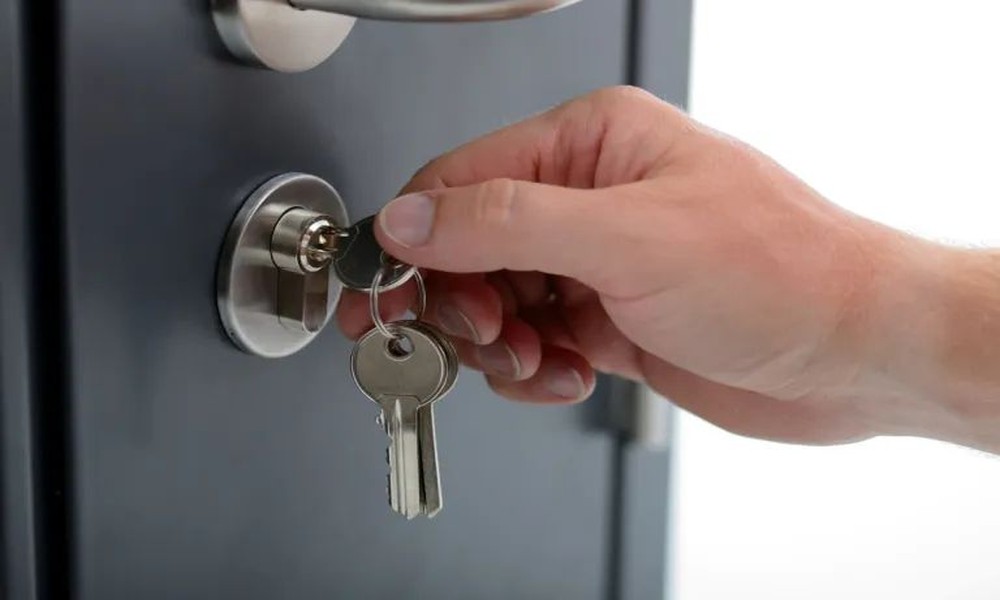
While structural and environmental hazards demand attention, external threats like unauthorized access also pose risks. Fencing, lighting, and alarm systems create visible deterrents. Combining physical security with measures like asbestos removal and japanese knotweed removal addresses both natural and human threats, giving comprehensive protection. A well-protected property reduces future liabilities and stress for owners.
Conclusion
Protecting your property from hidden dangers is an ongoing effort. Regular inspections, professional asbestos removal, and japanese knotweed removal are key steps. Coupled with moisture control, soil monitoring, and safe disposal practices, these methods preserve property value and safety. Proactive measures today prevent major issues tomorrow, ensuring your home or building remains a secure, healthy space for years to come.