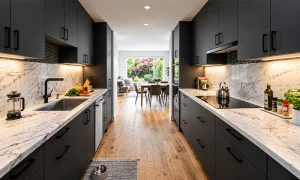


Renovating a home in a small community is different from doing it in a big city. Your options are more limited, your neighbors know who did good work, and the weather and age of local housing stock shape nearly every decision. Understanding these local factors before you start can save thousands of dollars and months of frustration.
Whether you own a farmhouse on the edge of town or a mid-century ranch near the square, the early planning stage matters most. Many homeowners start by searching for a remodeling contractor in Paola, but the best results come from knowing what to ask, what to expect, and which details deserve your attention before any hammer swings.
This guide covers the essentials: how local conditions affect your project, how to compare bids, what the permit process looks like, and how to protect your family during construction.
Why Local Conditions Matter
Eastern Kansas homes face a demanding climate. Hot, humid summers, cold winters, hail, high winds, and heavy spring rain all put stress on a house. A good renovation plan accounts for that.
- Moisture: Basements and crawl spaces need proper drainage and vapor control.
- Temperature swings: Expansion and contraction can crack tile, caulk, and exterior trim.
- Storms: Roofing, siding, and windows should be rated for impact and wind.
- Older construction: Many homes in smaller towns predate modern codes, so wiring, plumbing, and insulation may need upgrades.
Choosing materials that suit your climate often matters more than choosing the most fashionable ones.
Match the Project to the Payoff
Not every upgrade returns the same value. Before committing, sort your wish list into three categories.
Protect the house. Roof repair, foundation drainage, electrical updates, and plumbing fixes. These rarely feel exciting, but they prevent bigger losses.
Improve daily life. Kitchens, bathrooms, flooring, and storage. These change how your home feels and functions.
Add polish. Paint colors, decorative lighting, and trim details. These are the easiest to postpone if the budget tightens.
Handling the first category before the third keeps your finishes from being ruined by a leak or an overloaded circuit later.
Comparing Bids Without Getting Lost
Three quotes for the same project can look completely different. The difference usually lies in what each one includes. Use this comparison table as a template when reviewing proposals.
| What to Compare | Why It Matters |
|---|---|
| Scope of work | Vague descriptions lead to disputes and extra charges |
| Material brands and grades | “Tile allowance” can mean budget or premium products |
| Permit responsibility | Someone must pull permits and schedule inspections |
| Cleanup and disposal | Debris removal is sometimes billed separately |
| Payment schedule | Payments should track completed milestones |
| Warranty terms | Look for written coverage on labor and materials |
| Start and finish dates | Ask what happens if the schedule slips |
The lowest bid is not always the cheapest outcome. A quote that omits demolition, disposal, or permits can end up costing more than a higher, more complete one.
The Permit and Inspection Process
Permits can feel like bureaucracy, but they exist to confirm that electrical, plumbing, and structural work is safe. Most cities and counties require them for:
- Structural changes, such as removing or altering walls
- New or relocated electrical circuits
- Plumbing rerouting or new fixtures
- Additions, decks, and finished basements
- Roof replacements in some jurisdictions
Unpermitted work can cause problems when you sell the house, file an insurance claim, or refinance. Confirm in writing who is responsible for pulling permits, and keep copies of every approved inspection.
Protect Your Family During Construction
If your home was built before 1978, lead-based paint is a real possibility. Disturbing it during sanding or demolition can spread toxic dust, which is especially harmful to young children and pregnant women. Federal law requires contractors who work on pre-1978 homes to hold proper certification and follow lead-safe practices. The EPA explains the rules and how to verify credentials on its Renovation, Repair and Painting Program page.
Beyond lead, a few everyday precautions help:
- Seal off the work area with plastic sheeting and tape.
- Run a fan or air purifier in occupied rooms.
- Keep children and pets away from tools and debris.
- Ask the crew to clean up at the end of each day.
Use the Renovation to Cut Energy Costs
Opening up walls, ceilings, and floors is the cheapest moment to improve efficiency. Adding insulation, sealing air leaks, and upgrading windows can reduce heating and cooling bills for decades. The U.S. Department of Energy’s Energy Saver resource provides clear, unbiased guidance on insulation, HVAC, lighting, and appliances, and it’s worth reading before you finalize your materials list.
Small choices add up. LED lighting, a properly sized range hood, and well-sealed ductwork all improve comfort and lower costs without major expense.
A Sample Planning Timeline
Most homeowners underestimate how long the preparation phase takes. A typical mid-sized project might unfold like this:
Weeks 1-4: Research and design. Gather ideas, set a budget, and meet with professionals.
Weeks 4-8: Bids and contracts. Compare proposals, check references, and sign a detailed agreement.
Weeks 8-16: Ordering and scheduling. Cabinets, windows, and specialty items can have long lead times.
Weeks 16-22: Construction. Demolition, rough-in work, inspections, and finishing.
Final week: Walkthrough. Create a punch list and confirm everything is complete before the last payment.
Ordering materials early is the simplest way to avoid a half-finished room sitting idle for weeks.
Questions Worth Asking Every Contractor
How long have you worked in this area?
Local experience means familiarity with building departments, inspectors, and regional suppliers.
Who will actually be on my job site?
Find out whether work is done by employees or subcontractors, and who supervises daily progress.
How do you handle surprises?
Hidden rot, old wiring, and structural problems are common in older homes. A good contractor explains how they document discoveries and price additional work.
Can I see a similar finished project?
Photos help, but visiting a completed job or speaking with a past client tells you far more.
Set a Contingency and Stick to It
Whatever your budget, reserve 10% to 20% for the unexpected. In older houses, the higher end is wiser. Treat the fund as off-limits for upgrades, so it’s available when something unforeseen appears behind the drywall.
Final Thoughts
A successful renovation is rarely about the biggest budget or the trendiest finishes. It comes from clear priorities, written agreements, realistic timelines, and respect for the conditions your home faces. Do your homework, ask direct questions, keep everything documented, and give yourself room for surprises. When the work is finished, you’ll have a home that functions better, holds up longer, and reflects the way you actually live.