
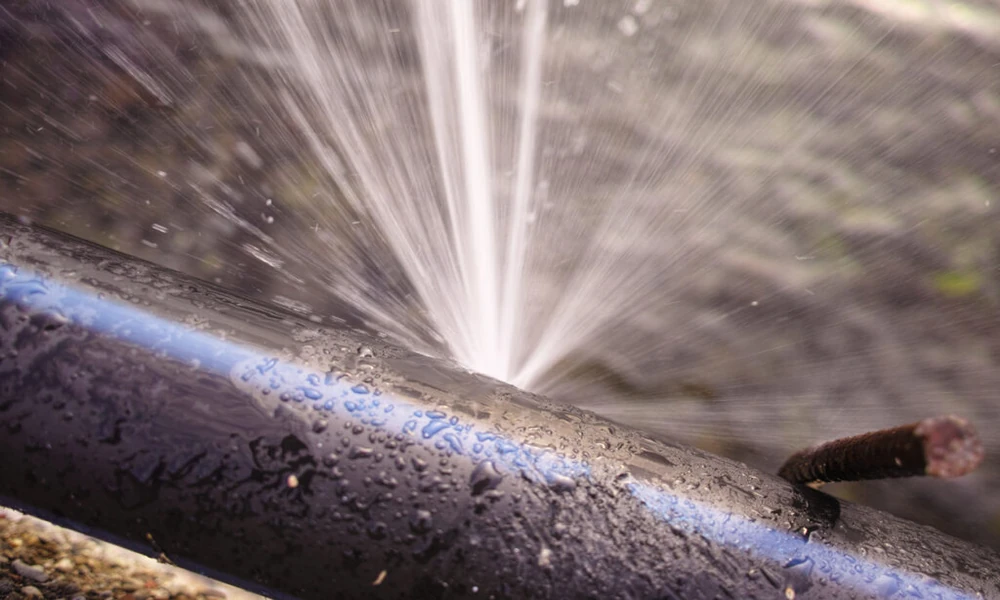

A split supply line under the kitchen sink and a storm tide pushing up from a nearby creek can leave the same few inches of water on a floor. From the doorway, the two scenes look almost identical. What happens inside the walls over the next few weeks is very different, and that difference shapes nearly every decision a homeowner makes during cleanup.
Shore towns deal with both kinds of water regularly, which is why water damage restoration in Manasquan usually starts with one plain question: where did the water come from? Clean water from a pressurized pipe can often be dried in place if someone acts fast. Brackish water that rose out of a river, lagoon or inlet carries salt, silt, fuel residue and sewage, and that changes what can be saved.
The exposure here is not limited to a few waterfront blocks. The borough’s own flood safety page notes that more than 90 percent of town falls within some type of flood inundation area. Coastal water can rise along the ocean, the Manasquan River and smaller waterways like Watson’s Creek, Glimmer Glass and Stockton Lake, so a home several streets from the beach can still take on water during a strong nor’easter.
Two Floods That Only Look Alike
Restoration crews sort water into three broad categories. Clean water comes from a supply line, a water heater or rain through a broken window. Gray water carries some contamination, such as a washing machine overflow. Black water is the serious one: sewage, river water and tidal flooding all land here because nobody can know what the water picked up on its way into the house.
That label matters more than the depth. Half an inch of floodwater calls for more aggressive removal than four inches from a clean pipe. Carpet pad, insulation and the lower section of drywall that touched black water are generally removed rather than dried, because cleaning cannot reliably reach what soaked into them.
What Salt Leaves Behind After the Water Drains
Salt is the part many homeowners underestimate. Once the water evaporates, the salt crystals stay in drywall paper, wood framing, concrete block and subfloor. Those crystals pull moisture out of humid air. So a wall that reads dry in October can feel damp again in July, and paint may blister months after the storm.
Masonry shows it clearly. White, chalky crust on block foundations and brick is often salt working its way to the surface. Wiping it off removes what you can see, but more keeps coming as moisture moves through the wall.
Metal suffers too. Salt speeds up corrosion in outlets, breaker panels, furnace controls, air handler coils, water heater burners and the hangers and nails holding the framing together. Equipment that powers on after a saltwater flood can still fail weeks later as the corrosion spreads. Many professionals rinse salt-exposed framing with fresh water before drying it, and they treat flooded electrical and gas appliances as suspect until a licensed technician inspects them.
How the House Itself Changes the Job
Slab-on-grade cottages. Water spreads across the slab and wicks up into bottom plates and drywall. Concrete holds moisture for a long time, so flooring often has to come up just to let the slab dry.
Crawl space homes. Water collects in the low ground under the house, soaks insulation between the joists and raises humidity in the rooms above. Vapor barriers and fiberglass batts that touched floodwater usually need replacing, and sitting muck has to be cleared out before drying can really start.
Elevated homes built or raised after Sandy. Living areas often stay dry, but the enclosed space below does not. Ductwork, water heaters, electrical runs and storage walls at ground level still take the water. Flood vents have to stay clear so water can pass through instead of pushing against the foundation.
The First Two Days
What a homeowner does early can decide whether drying takes days or turns into a rebuild. FEMA’s guidance on returning home after a flood stresses moving quickly but safely, and a practical sequence looks something like this:
- Wait for local officials to say the area is safe before going back in.
- Keep the power off and have an electrician check the system if water reached outlets or the panel.
- Photograph and video every room, the waterline on the walls and damaged belongings before anything gets moved.
- Remove standing water and pull out soaked rugs, cushions and cardboard boxes.
- Cut wet drywall well above the waterline and remove insulation that touched floodwater.
- Open closets, cabinets and baseboards, then run fans and dehumidifiers with the windows managed to keep humid air out.
- Save receipts for every purchase, rental and service call.
Protective gear matters through all of it. Floodwater residue can carry bacteria, so gloves, rubber boots and an N95 or better respirator are worth wearing even for quick tasks.
Insurance Lines That Catch Owners Off Guard
A standard homeowners policy usually covers sudden water damage from a burst pipe. It does not cover rising floodwater. That falls under separate flood insurance, most often written through the National Flood Insurance Program, and new policies typically carry a 30-day waiting period, so buying one when a storm is already in the forecast won’t help.
Basements are another surprise. Flood policies limit what they cover below grade. Furnaces, water heaters and electrical panels are generally included, while finished walls, flooring and most belongings stored downstairs are not. Owners who finished their basements often learn this only after filing a claim.
The source of the water also decides which policy responds. Adjusters look closely at waterlines, debris and timing, so clear photos taken before cleanup make the conversation easier.
Mold Keeps Its Own Schedule
Salt doesn’t stop mold. Growth can begin within 24 to 48 hours on wet drywall, wood and fabric, especially when warm weather follows a storm. Winter floods bring their own problem: cold air slows evaporation, so materials stay wet longer than they seem.
Second homes are especially at risk. A summer place closed up for the season might not get checked until days after a coastal storm, and by then mold may already be spreading behind the baseboards. Moisture meters and thermal cameras tell a much more honest story than touch. A wall can feel dry on the surface while the framing behind it still holds enough water to feed growth.
The homes that recover best tend to have owners who treat the drying phase as seriously as the cleanup. Pulling out ruined materials is the visible part. Getting framing, subfloor and masonry back to normal moisture levels, rinsing out salt where it settled and confirming that equipment is safe is slower work. It is also the part that keeps the house from turning that one flood into a problem that comes back every humid summer.