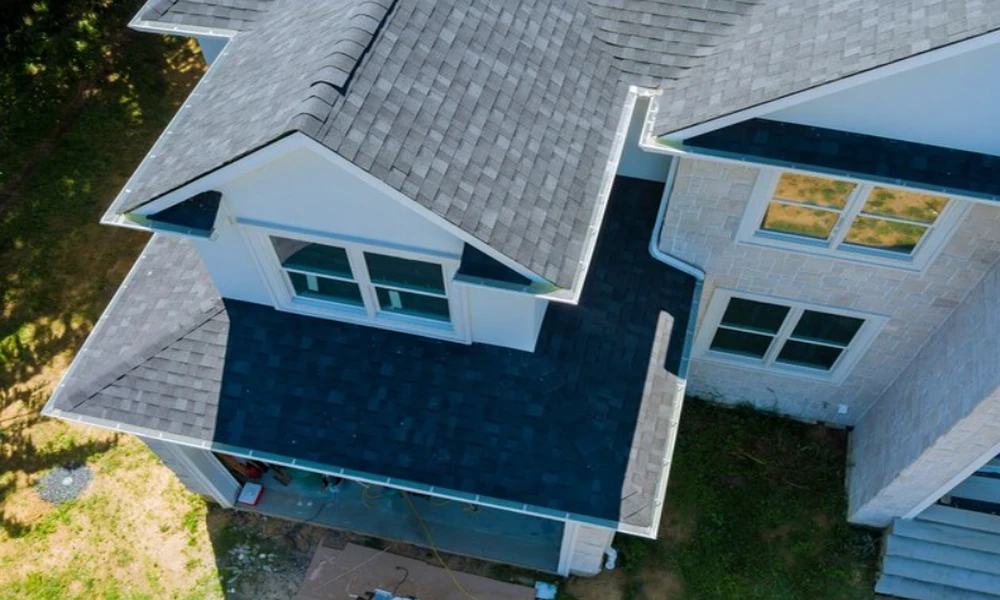

Hiring a roofer is a big decision. Whether you need a small repair or a full replacement, you want work that protects your home and a contractor who explains what you are paying for.
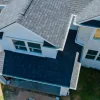
The best residential roofing company for your project should have experience with your roof type, verifiable credentials, and a clear written proposal. A low price or a long list of services is only part of the picture.
For Florida homeowners, it also helps to choose a contractor who understands local weather, permitting, and the installation requirements for your home.
Key Takeaways
- Start by finding out whether your roof needs repairs, maintenance, or replacement.
- Verify the contractor’s license and request current insurance information.
- Compare the scope of work in each estimate, not just the final price.
- Ask about materials, warranties, cleanup, and unexpected repair costs.
- Get the agreed details in writing before work begins.
What Roofing Service Does Your Home Need?
You do not have to diagnose the roof yourself. A professional assessment should explain its condition and the reasons behind any recommended work.
Roof Repairs
A leak, damaged flashing, or an isolated area of missing roofing material may call for a repair rather than a full replacement.
Ask the contractor to explain where the problem starts and how the repair will address it. The location of an indoor water stain does not always identify the point where water enters the roof.
Arrange an assessment promptly when you notice a leak or new damage. Waiting can allow the problem to spread.
Roof Replacement
Replacement may be worth considering when damage is widespread, repairs are becoming frequent, or the roof system is nearing the end of its useful service.
Ask why replacement is recommended and whether a repair would be a reasonable alternative. Photos and a written explanation can make that conversation easier to follow.
If your insurer has raised concerns about the roof, request its requirements in writing. A contractor’s recommendation and an insurance coverage decision are separate matters.
Roof Inspections and Maintenance
An inspection can help identify concerns before you see water inside your home.
Ask about an inspection schedule based on your roof’s age, material, condition, and warranty requirements. Do not rely on a blanket three-to-five-year interval. Storm damage, active leaks, and visible changes deserve earlier attention.
Leave roof access to a qualified professional. You can share observations and photos taken safely from the ground.
Does the Contractor Have Experience With Your Roof Type?
A company may install several roofing systems well. What matters is whether it has relevant experience with the material and installation your home needs.
Asphalt Shingle Roofing
Asphalt shingles are a common residential option with a range of colors and styles. They often have a lower upfront cost than metal or tile, although the full project price depends on the roof.
Ask about the exact shingle product, underlayment, ventilation, flashing, and installation method. Wind and algae warranty terms vary by product, so request the written details.
Metal Roofing
Metal roofing comes in different profiles, coatings, and attachment systems. Those differences matter when comparing estimates.
Ask which system the contractor recommends, why it suits your home, and what maintenance it requires. For coastal properties, discuss the product’s suitability for salt exposure and any related warranty exclusions.
Tile Roofing
Clay and concrete tile offer different shapes, colors, and finishes. Choosing tile also involves questions about weight, attachment, underlayment, and repairs.
If you are changing from another material, ask whether the structure needs evaluation for the proposed roof. A tile’s appearance is only one part of the decision.
Flat and Low-Slope Roofing
Some homes have low-slope roof sections over additions, porches, or other living areas. These areas need a system suited to their slope and drainage.
Ask about the proposed membrane or covering, how water will drain, and how seams and penetrations will be handled. Do not assume every roofing material works on every slope.
How Can You Check a Roofing Company’s Credentials?
Ask for the contractor’s license number and verify its status through Florida’s Department of Business and Professional Regulation. Confirm that the licensed contractor properly qualifies the business you plan to hire.
Also request current information about general liability insurance and workers’ compensation coverage or any applicable exemption. Ask how subcontractors are handled.
A statement that a company is “fully insured” is worth checking. Insurance can address certain risks, but it does not eliminate every possible liability.
Manufacturer certifications may be useful too. Ask what a certification means for your project and whether it affects warranty eligibility.
What Should You Look for in Reviews and Previous Work?
Read reviews across more than one source and look for recurring themes.
Did the crew arrive when expected? Were added costs explained? Was cleanup handled well? How did the company respond when a customer reported a problem?
One review rarely tells the whole story. Several detailed accounts of the same issue deserve closer attention.
Ask for examples of completed projects similar to yours. A company with relevant experience should be able to discuss the material, scope, and challenges involved. If references are available, ask about communication and follow-through as well as the finished roof.
How Do You Compare Roofing Estimates?
Request detailed written estimates from more than one contractor when practical. Give each company the same project information so the proposals are easier to compare.
| Estimate item | What to clarify |
| Materials | Product names, roof covering, underlayment, and major accessories |
| Removal | Whether existing roofing will be removed and disposal is included |
| Decking | How damaged wood will be identified, priced, and approved |
| Flashing and ventilation | What will be replaced, reused, or modified |
| Permits and inspections | Who handles them and which fees are included |
| Property protection | How landscaping, driveways, and nearby areas will be protected |
| Cleanup | Debris removal, nail collection, and final walkthrough |
| Warranties | Material and workmanship coverage, including exclusions |
A lower estimate may reflect a different scope. Ask about missing items before deciding that one price offers better value.
For work connected to a property insurance claim, Florida’s consumer guidance also emphasizes a detailed, good-faith estimate with the contract.
What Should You Ask About Scheduling and Payment?
Ask for an expected start window and project duration. Weather, material availability, inspections, and hidden damage can affect the schedule.
Find out who will update you and how the home will be protected if work pauses before the roof is complete.
Payment terms should identify the deposit, later payments, and what must happen before each payment is due. Ask how unexpected work will be documented and approved.
If damaged decking is discovered during removal, for example, you should understand the pricing process before that situation arises.
What Do Roofing Warranties Actually Cover?
Material warranties and workmanship warranties cover different issues.
A manufacturer’s warranty may address qualifying product defects. A contractor’s workmanship warranty may address certain installation problems. Coverage depends on the written terms.
Ask these questions:
- How long does each warranty last?
- Are labor and removal costs included?
- Does coverage change over time?
- Are registration or maintenance steps required?
- Can coverage transfer to a new owner?
- Who should you contact if a problem develops?
Terms such as “lifetime” do not mean every repair is covered indefinitely. Read the exclusions as carefully as the headline.
What Belongs in the Final Roofing Contract?
Before work begins, confirm that the contract matches the proposal you accepted.
It should clearly describe the work, materials, price, payment schedule, and responsibilities. It should also explain how changes, delays, cleanup, and warranty issues will be handled.
Keep a copy of the signed agreement and any approved changes. Save product information, payment records, and completion documents together so they are easy to find later.
Clear paperwork will not prevent every problem, but it helps both sides understand what was agreed.
Talk With Baypoint Roofing About Your Home
Baypoint Roofing offers roof repairs, replacements, inspections, and installation services. Its listed roofing options include shingle, metal, tile, and flat roofing systems. Baypoint Roofing
If you are comparing residential roofing companies near you, start with a conversation about your roof’s condition and the work it may need.
Contact Baypoint Roofing to discuss your project and request an estimate. Ask about the proposed materials, scope, timeline, and warranty terms so you can make an informed choice for your home.
This post was written by a professional at Baypoint Roofing. Baypoint Roofing is a State-certified, insured, bonded, and licensed roofing contractor specializing in insurance restoration, storm damage repair, and expert roof inspections and roof installation Lutz FL. With over 25 years of experience, we proudly serve the entire state of Florida. Whether you need a complete roof replacement or precise repairs, our skilled team delivers unmatched quality and service. Trust Baypoint Roofing to protect your home or business with solutions that endure the Florida elements and exceed your expectations. Your satisfaction is our top priority.